Travelling through Chile by road allows families to experience one of South America’s most diverse destinations at their own pace. However, it also means adapting to long distances, changing road conditions, and varying levels of traffic across regions. From Santiago’s busy streets and Valparaíso’s colourful hillsides to the remote highways of the Atacama Desert and the dramatic landscapes of Patagonia, each route brings a different driving experience. When travelling with children, this makes road safety an essential part of every journey.
Proper car seat use is key to protecting young passengers, especially on long drives and unfamiliar routes. With Final Rentals, families can secure the right vehicle in advance. This makes it easier to choose a car suited for child seats and travel with greater confidence from the moment the journey begins. Before setting off across Chile’s regions, it is important to understand how to keep children safe and comfortable throughout the trip.

Car seat safety is an essential part of family travel but is often overlooked. Road traffic accidents are a major cause of injury among children worldwide, and using a proper child restraint system significantly reduces the risk of serious harm by absorbing impact forces and limiting movement during sudden stops or collisions. Chile’s diverse landscape, including highways, mountain roads, coastal routes, and rural paths, makes road travel common but also presents varying driving conditions.
On longer journeys, fatigue and changing road environments can increase risks, especially if children are not properly secured. Using the correct car seat improves safety and gives parents greater confidence. When arranging a car rental in Chile, travellers should choose vehicles that support child restraint systems and provide sufficient space for family travel.
Before driving in Chile, families should understand local child passenger safety regulations, which are based on international standards and designed to protect young travellers throughout their journey.
Child restraint requirements: Chilean law requires children under specific age and size limits to use approved child restraint systems suitable for their height and weight, and to travel in the rear seats for added protection from frontal impacts and airbags.
Legal and safety importance: Not following these rules may result in fines and penalties and can significantly increase the risk of injury in the event of an accident.
Preparation before travel: Travellers should review current regulations before arrival and ensure a suitable child seat is available. When you book a car in Chile, confirm child seat availability during the reservation, especially in peak seasons when demand is high.
Choosing the correct car seat is essential for child safety during travel, and it depends on much more than age alone. A child’s height, weight, and physical development all play an important role in selecting the safest restraint system. Using the wrong seat or moving to the next stage too early can reduce its protective effectiveness.
Key principle: Car seat selection should be based on a child’s height, weight, and physical development rather than age alone. Using the correct fit ensures maximum protection in a crash.
Rear-facing seats: These are the safest option for infants and young toddlers as they support the head, neck, and spine. They also distribute crash forces more evenly during a frontal collision.
Forward-facing seats: These seats use built-in harnesses to secure the child firmly. They distribute impact forces across stronger parts of the body while offering comfort and safety.
Booster seats: Booster seats help position older children correctly for seat belt use. They ensure the belt sits across the chest and hips instead of the neck or stomach.
One of the most common questions family travellers face is whether to bring their own car seat or hire one upon arrival. Both options have advantages, and the best choice often depends on travel preferences, itinerary length, and logistical considerations.
Bringing your own car seat provides familiarity and consistency. Parents already know how the seat operates, how it fits their child, and whether it meets their personal safety standards. Travelling with a familiar seat can also be reassuring for younger children who may already associate it with comfort and security. Furthermore, parents can be confident regarding the seat's maintenance history and overall condition.
Hiring a car seat can offer significant convenience, particularly for families seeking to travel light. Avoiding the need to transport bulky equipment through airports and transfers can simplify the travel experience considerably. Many providers offering affordable car rental services include child seats as optional extras, making it easier for visitors to obtain suitable equipment upon arrival.
Regardless of the option chosen, parents should inspect every seat carefully before use. Checking for signs of wear, missing parts, damaged straps, and valid safety certifications helps ensure the seat remains fit for purpose and capable of providing adequate protection.
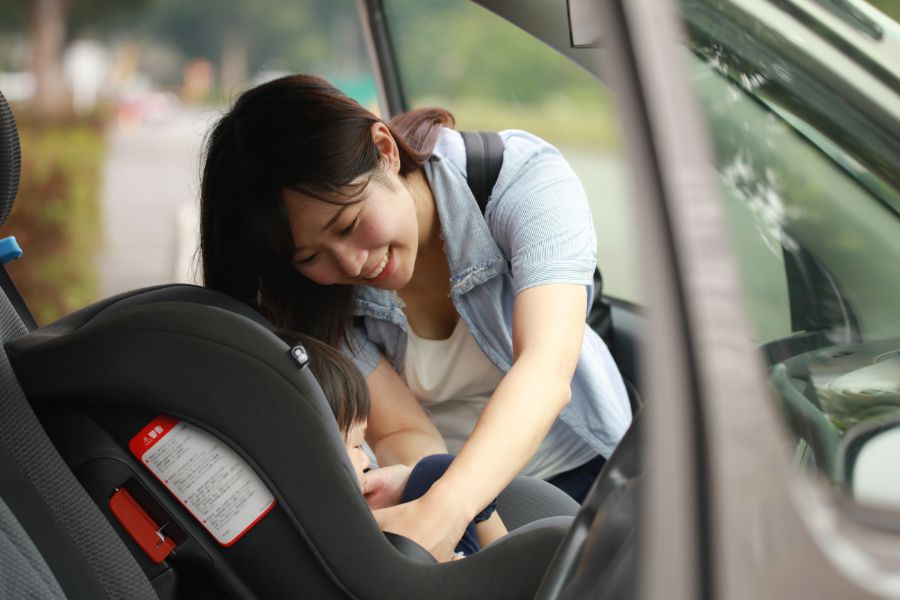
Even the safest child restraint system is only effective when installed correctly. Studies show that improper installation is one of the most common car seat safety issues worldwide, so taking a few extra minutes to check it can make a significant difference in an accident. Before installation, parents should read both the vehicle manual and car seat instructions, as requirements may vary. Many modern vehicles also feature ISOFIX anchor points, which make installation easier and more secure when used correctly.
A properly installed car seat should feel firm with minimal movement. If it shifts side to side or front to back, it is not secure. The harness should lie flat without twists and fit snugly against the child’s body, tight enough for safety but still comfortable. As children grow quickly, it is important to regularly check harness positions, seat adjustments, and weight limits to ensure continued protection throughout the journey.

The position of a child’s car seat within the vehicle plays an important role in overall safety. Experts agree that the rear seat is the safest location for children, especially younger passengers using specialised restraint systems. It places them further from impact zones and reduces exposure to front airbags, which are designed for adults and can cause serious injuries to children.
For this reason, both Chilean regulations and international guidelines recommend that children travel in the back seat whenever possible. While the front seat may be used in specific cases, it should only be done when necessary and in line with vehicle manufacturer and local safety rules. Parents should prioritise rear-seat travel, particularly for younger children in rear-facing or forward-facing seats.
Despite good intentions, many families make common car seat mistakes that can reduce child passenger safety. One frequent error is moving children to the next restraint stage too early based on age alone, instead of using height and weight as the correct guide. Another issue is dressing children in bulky clothing, such as thick coats, which can create gaps in the harness and reduce its effectiveness. It is safer to secure the child first and add blankets over the harness if needed for warmth.
Installation and positioning errors are also common and can significantly affect protection. A loosely installed seat that shifts during travel may not provide proper safety, so regular checks of installation and harness tension are essential. For children using booster seats, incorrect seat belt positioning is another risk, as the belt should sit across the shoulder and upper thighs, not the neck or abdomen, to ensure proper impact protection.
A thorough vehicle inspection before each journey contributes significantly to road safety, particularly when travelling with children. Even a brief check can help identify potential issues before they develop into larger problems.
Tyres play a crucial role in vehicle handling, braking, and stability. Ensuring that tyres are properly inflated and free from visible damage helps maintain safe driving performance across a variety of road conditions. This is especially important when travelling long distances or through mountainous regions. Parents should also verify that the child restraint system remains secure and correctly adjusted.
Changes in seating positions, luggage arrangements, or daily use can occasionally affect installation. Taking a moment to confirm that everything remains properly fitted provides additional reassurance.
Loose items inside the vehicle should be stored securely before departure. In the event of sudden braking or a collision, unsecured objects can become dangerous projectiles. Proper storage helps protect all occupants and contributes to a safer travel environment.
Beyond correct car seat use, there are several additional steps families can take to stay safe while travelling by road in Chile. These simple precautions help create a more secure and comfortable journey for children and reduce everyday travel risks.
Child safety awareness: Never leave children unattended in a vehicle. Vehicle interiors can heat up rapidly even on mild days. This can create dangerous conditions within minutes and should always be avoided.
Use of child safety locks: Prevent accidental door openings while driving: Activating rear door child locks adds an extra layer of protection. It also helps parents feel more secure during longer trips.
Setting a driving example: Model safe driving behaviour at all times. Children learn by observing adults. Wearing seat belts, following speed limits, and avoiding distractions help reinforce lifelong road safety habits.
Selecting the right vehicle is an important part of safe family travel. Modern rental fleets often offer advanced safety features, strong crash protection, and compatibility with child restraint systems, helping improve both comfort and security. When arranging a car rental in Chile, travellers should consider passenger capacity, luggage space, safety ratings, and ISOFIX compatibility, with larger vehicles often better suited for longer family trips.
Many providers offer vacation car rental deals that make it easier to secure suitable vehicles at competitive rates. Travellers can also rent a car online to compare options, check features, and confirm child seat availability before arrival. Choosing reputable providers with affordable car rental services helps ensure a smoother and safer travel experience for families.

Chile is ideal for family exploration, offering diverse landscapes and experiences for all ages. From Santiago’s cultural attractions and Valparaíso’s colourful streets to the lakes, volcanoes, and national parks of southern Chile, families can enjoy a wide range of memorable trips. Safe travel starts with proper preparation, especially ensuring children are correctly restrained so parents can focus on the journey without unnecessary concerns.
This is particularly important during peak travel periods when family vehicles and child seats may be in high demand. Travellers planning to book a car in Chile should reserve early and confirm all safety requirements in advance for a smoother, more confident trip.
Travelling through Chile with children offers an incredible opportunity to discover one of South America's most remarkable destinations. However, every successful family road trip begins with a commitment to safety. Understanding local child restraint regulations, selecting the appropriate car seat, ensuring proper installation, and maintaining safe driving habits all contribute to a safer and more enjoyable travel experience.
Whether you are searching for vacation car rental deals, comparing affordable car rental services, looking to rent a car online, or arranging your Car rental in Chile, child passenger safety should remain a top priority throughout the planning process. By taking the necessary precautions before and during your trip, you can focus on creating lasting family memories while travelling confidently across Chile.
For even greater convenience, download the Final Rentals app from Google Play or the App Store to manage bookings, access exclusive offers, and simplify your travel arrangements before your next family adventure.
Yes, Chilean law requires children below specific age and size limits to use approved child restraint systems suited to their height and weight. These rules are strictly enforced and apply to both residents and international visitors.
Most car rental providers in Chile offer child seats as optional add-ons during the booking process. It is best to request one early to avoid limited availability during busy travel periods.
Bringing your own car seat ensures familiarity and control over its condition and safety history. Renting locally is more convenient for travellers who want to avoid carrying bulky equipment through airports.
The rear seat is the safest position for children, especially when using a car seat or booster appropriate for their size. It reduces exposure to airbags and provides better protection in most collision scenarios.
Check that the seat is clean, undamaged, and includes all essential components such as straps and buckles. Always confirm it meets safety standards and is securely installed before starting your trip.