Finalrentals Blog


Published in Car Rentals Category.
Renting a car is one of the first decisions you’ll make when planning a journey around Puerto Montt. This scenic city in southern Chile is a gateway to Patagonia’s lakes, fjords, and national parks. So, choosing the right vehicle for these adventures is crucial. In this Puerto Montt car rental guide, we’ll help you decide whether a small car or an SUV is the best car for a Puerto Montt road trip.
Why Puerto Montt Is One of Chile’s Best Road Trip Gateways
Puerto Montt is situated at the northern edge of Chilean Patagonia, making it an ideal launchpad for exploring the Lake District and beyond. From here, you’re close to snow-capped volcanoes, deep blue lakes, and lush temperate rainforests. The city has an airport and ferries, and car rentals in Puerto Montt are easily arranged. Many travellers begin road trips here to drive the famous Carretera Austral (Southern Highway) or catch a ferry to Chiloé Island. In Puerto Montt, you can stock up on supplies at vibrant local markets, then hit the road knowing Patagonia’s wonders lie just beyond the city.
Choosing between a Small Car or SUV
Once you’ve decided to hire a car in Puerto Montt, the next big question is what type of vehicle suits your trip. Will you need a small car or a sturdier SUV? Will you stick to paved tourist routes or venture to remote destinations? Small cars are economical and easy to drive, while SUVs are more powerful and stable on rough terrain.
Around Puerto Montt, you’ll find mountainous terrain, everchanging weather, and fewer services as you go into remote areas. Driving here isn’t like a simple freeway cruise. You will pass through winding mountain passes, sudden rain showers, or even a ferry crossing to an island. If you plan to explore national parks or rural villages, the wrong type of car could limit where you can go. For example, a low-clearance car might struggle on a bumpy forest road. If you break down far from town, help could be a long way off.
The Road Conditions Around Puerto Montt
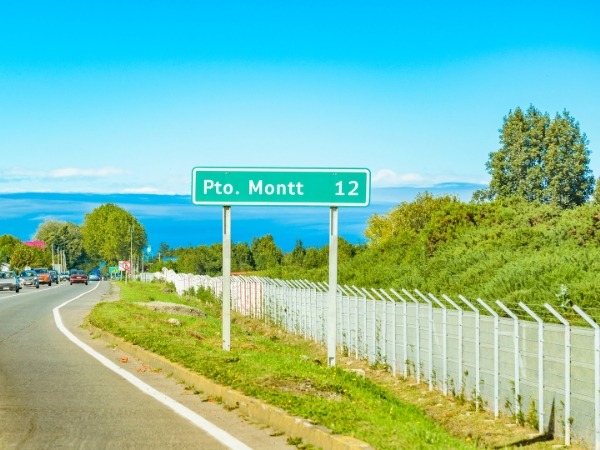
Puerto Montt and its surroundings have a mix of . The roads and terrain in Puerto Montt vary greatly, from modern highways to rustic country lanes. Generally, Chile’s Route 5 (the Pan-American Highway) ends in Puerto Montt, providing smooth paved roads northward. But to the south and into rural areas, you’ll encounter gravel roads, steep hills, and occasional ferry crossings. The region’s climate also affects driving conditions. In this section, we’ll break down the main routes, road surfaces, seasonal weather, and why terrain plays a big role in your car choice.
Overview of Major Driving Routes
Several iconic road trip routes begin from Puerto Montt, each with different road conditions:
- Carretera Austral (Route 7): This route starts in Puerto Montt and runs over 1,200 kilometres south through Patagonia. It involves ferry segments and winding roads through fjords and forests. The Carretera Austral is partly paved and partly gravel. It’s a remote, adventurous drive through stunning landscapes, so plan for slower travel on its rougher parts.
- Petrohué and Osorno Volcano: A popular day trip is to drive approximately 60 kilometres from Puerto Montt to Petrohué, located within Vicente Pérez Rosales National Park. The road (Route 225) is paved up to the Petrohué Waterfalls. Then, it turns into a dirt or gravel road for the last stretch to Todos Los Santos Lake. You’ll enjoy views of Osorno Volcano on the way. There’s also a steep, switchback road that continues up Osorno Volcano. It’s narrow and can be challenging for some vehicles, but the main route to Petrohué is manageable for most cars.
- Chiloé Island: South-west of Puerto Montt, you can take a ferry from Pargua to Chiloé. On Chiloé, the main highway (Route 5) is paved, connecting towns like Ancud, Castro, and Quellón. Many smaller island roads are gravel or dirt, especially those leading to national parks or penguin colonies. An SUV is helpful if you explore rural corners of Chiloé, but a sedan can manage the well-travelled routes. Just be prepared for rain.
- Lake District Loops: Driving north or east of Puerto Montt offers paved routes around beautiful lakes like Llanquihue and towns like Puerto Varas and Frutillar. These roads are generally in great condition. Small cars can easily handle these drives. For example, a loop around Lake Llanquihue is mostly smooth asphalt and offers plenty of places to stop for views of the volcanoes.
Seasonal Considerations
Puerto Montt’s climate is wet and mild, so the weather is a big factor in driving. Rain is frequent all year round, especially in autumn and winter, from April through September. Heavy rain can reduce visibility and make both paved and unpaved roads slick. After a downpour, gravel stretches may develop muddy patches or standing water where a small car could struggle for traction.
Fog can form in any season, particularly on cool mornings or near the coast. Dense fog means you should use your headlights and drive slowly, as visibility can drop quickly. In winter from June to August, temperatures get cooler and higher elevations around the Andes can see snow or ice. It rarely snows in Puerto Montt at sea level, but if you drive into the mountains or towards ski areas, be prepared for winter conditions. An SUV with all-wheel drive can provide extra confidence on icy or slushy roads.
Winter days are also shorter, so you might find yourself driving in the dark by late afternoon, which can be tiring on twisting routes. In summer, from December to February, daylight hours are long, and the weather is generally better. Still, Patagonia is known for unpredictable changes. Even in summer, you might get a sudden rain shower or temperature drop.
Why Terrain Matters for Your Car Choice
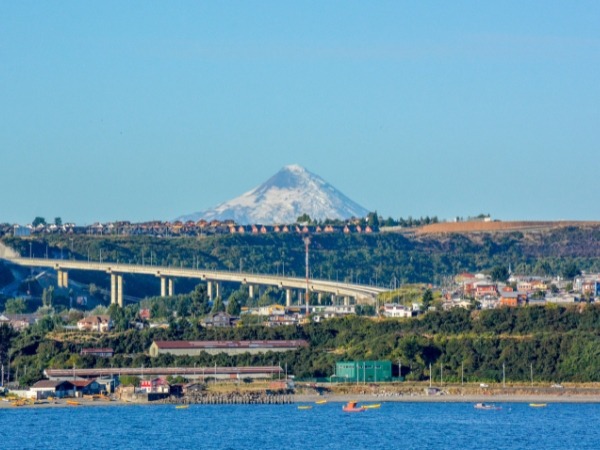
The landscape in southern Chile has varied terrain. You will encounter coastal flats, rolling hills, and sharp mountain inclines. Steep hills and winding routes are common, such as the ascent to Osorno Volcano or the hilly backroads of Chiloé. Here’s why this terrain matters. A small car with a tiny engine may struggle to climb very steep hills, especially when fully loaded with passengers and luggage. You might find yourself chugging up slowly in low gear, whereas an SUV or more powerful car would handle it with ease.
Additionally, many rural roads are uneven. you may encounter deep puddles, ruts, or large bumps. The higher clearance of an SUV helps prevent the underside of the car from hitting the ground or rocks on such rough patches. If you plan to drive on rougher roads, such as heading to a hiking trailhead or a secluded beach, an SUV’s suspension and its 4WD capability can make the trip easier and more comfortable.
On the other hand, if your trip is mostly within towns and on well-maintained routes, the terrain won’t pose much challenge. In such cases, a smaller car will suffice. The key is to assess where you’ll be driving honestly. Match your vehicle to the most challenging terrain you expect to face so you won’t be caught off guard.
Pros and Cons of Renting a Small Car in Puerto Montt
Small rental cars are widely available in Puerto Montt and often attract budget-conscious travellers. Before choosing a small car, consider how its advantages and disadvantages align with the conditions in southern Chile.
Pros of Small Cars
- Lower rental price: Generally, small cars cost less per day to rent than larger vehicles. If you’re travelling on a tight budget, renting a compact car can save you a significant amount in rental fees. That leaves more money for experiences like park entry tickets or local food.
- Better fuel efficiency: Small cars usually have efficient engines that consume less fuel. This means fewer stops at the petrol station and more pesos saved. You’ll get more kilometres per litre compared to an SUV, which is especially helpful if you plan to cover long distances.
- Easy to park in towns and narrow streets: Puerto Montt and nearby towns like Puerto Varas have some narrow streets and busy parking areas. A small car is much simpler to manoeuvre and fit into tight parking spots. Whether you’re parking at a viewpoint, a hotel, or a supermarket, you’ll appreciate the compact size when spaces are limited.
- Ideal for short or paved-route trips: If you're mostly driving on paved roads, such as when visiting popular places in the Lake District, a small car will work perfectly well. For day trips on highways or other well-maintained roads, you probably won’t need the extra features of an SUV.
Cons of Small Cars
- Limited power on steep hills: In mountainous terrain, the modest engine of a small car can struggle. When driving up long, steep inclines like roads into the Andes or up a volcano, you might find the vehicle lacking oomph. You could end up climbing slowly with the hazard lights on, especially if the car is packed with people and luggage.
- Less stable on gravel roads: Small cars are lighter and are lower to the ground. On gravel or dirt roads, this can make the ride feel bouncy and unstable. You’ll feel every bump and corrugation, and the car may slide a bit on loose gravel if you’re not careful. There’s also a slightly higher risk of a punctured tyre or damage to the undercarriage compared to a sturdier, heavier vehicle built for such conditions.
- Smaller luggage capacity: With a compact car, the boot (trunk) will only hold a couple of suitcases or backpacks. If you’re a couple with light baggage, that’s fine, but a family of four or a group of friends with camping gear will find a small car very cramped. You may need to put some bags in the cabin, which can obstruct your rear view. Overloading a small car can also affect its handling and braking.
Pros and Cons of Renting an SUV in Puerto Montt
SUVs and 4x4 trucks are popular choices for those wanting a robust vehicle in Chile’s wild south. Puerto Montt’s rental agencies offer a variety of SUVs, ranging from compact crossovers to larger 4WD models.
Pros of SUVs
- Better clearance for uneven terrain: SUVs are higher off the ground. This high clearance allows you to drive over uneven terrain, potholes, and speed bumps without scraping the bottom. When roads turn to gravel, or you encounter a rough patch, an SUV can roll over obstacles that might make a small car scrape or bottom out. In the Carretera Austral’s gravel sections or Chiloé’s muddy tracks, this extra clearance is a big advantage.
- More comfort for long distances: By design, SUVs are larger and often have better suspension. On a long drive, you and your passengers will appreciate the smoother ride. The seats are larger and more supportive. Plus, the higher driving position can reduce fatigue.
- Extra luggage space for gear: If you’re carrying several suitcases, camping equipment, or outdoor gear like fishing rods, coolers, etc., an SUV’s boot and fold-down seats give you plenty of room. This is especially useful for adventure travellers bringing along tents or sports gear.
- Safer handling in rain or mixed conditions: Most SUVs have wider tyres and a heavier build, which can improve grip on wet roads. Many models also come with all-wheel drive or four-wheel drive, providing better traction on slippery surfaces like mud or loose gravel. In the frequent rain around Puerto Montt, an SUV tends to feel secure on the road.
Cons of SUVs
- Higher rental and fuel costs: Expect to pay significantly more per day compared to a small car. Fuel is another major expense. A heavy SUV will use more litres of fuel per kilometre than a compact car, so you’ll spend more on petrol over the course of your trip. If you’re watching your budget closely, these costs can be a deciding factor. Remember to factor in that an SUV might also require more expensive insurance coverage.
- Harder to park in busy centres: In city centres or popular tourist spots, parking an SUV can be tricky. They are bulkier and may not fit easily into small parking spaces. In busy areas, you may need to be extra cautious with the larger size. Manoeuvring through narrow streets or tight corners requires more care.
- Unnecessary for city-only trips: If your plan is mostly urban driving or sticking to well-paved attractions, an SUV could be overkill. You might be paying for capabilities (like off-road suspension or 4WD) that you won’t actually use.
Takeaway
Choosing between a small car and an SUV for your Puerto Montt road trip comes down to matching the vehicle to your adventure. The right choice depends on where you’re going, what you’re doing, and what makes you feel comfortable. Rent a car in Puerto Montt with Final Rentals to start your Patagonian adventure from El Tepual International Airport. Choose the vehicle that fits your route and budget, from compact, fuel-efficient cars ideal for paved Lake District drives to rugged SUVs. You’ll get instant confirmation with transparent pricing and flexible cancellation. For extra convenience, you can also download the Final Rentals app on Google Play and the App Store.