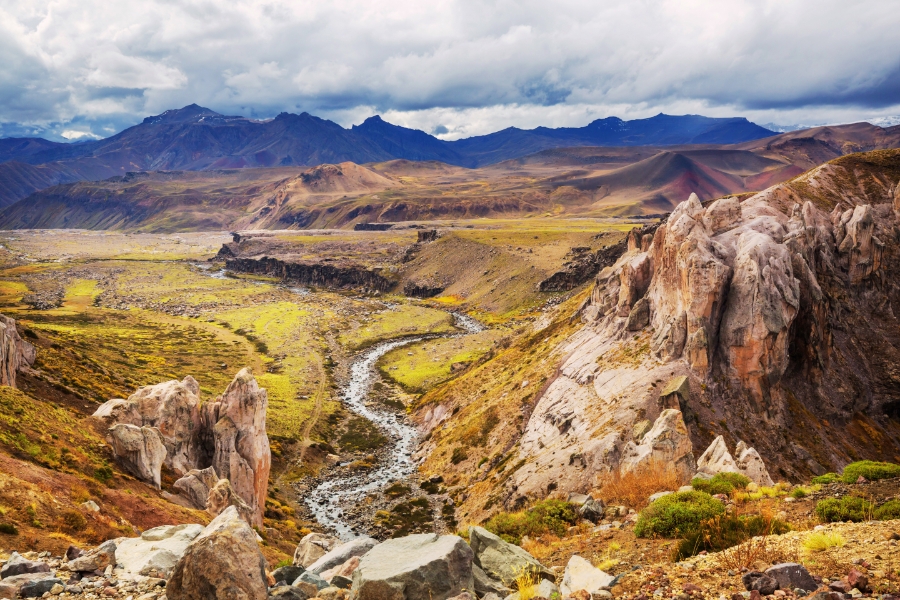
Puerto Montt is where many Patagonia trips actually begin. Public transport works for a few main routes, but it becomes limiting if you want to reach lakes, trailheads, viewpoints, or smaller towns on your own schedule. That’s why many travellers planning a longer Patagonia road trip choose a car rental at Puerto Montt airport.
Puerto Montt has reliable rental options, competitive prices, and direct road access to the Lake District, Chiloé Island ferries, and the start of the Carretera Austral. With a car, you’re not locked into bus timetables or tours. This guide explains when renting a car in Puerto Montt is worth it and what to expect on Patagonian roads.
Navigating Northern Patagonia comes with unique challenges, such as vast distances, a sparse population, and limited public transport.
If you want to fully explore Patagonia, a rental car is often the most practical choice. There is public transport, but it is limited in availability and coverage. Buses may only run on certain days and routes, so you’ll have to wait long periods to reach the next destination. Many national parks, waterfalls, and remote villages are not served by regular bus services.
Your travel plans also matter. If you plan to stay mainly in well-known centres such as Puerto Montt and Puerto Varas, or join guided excursions, you may manage without a car. However, independent travellers exploring the Los Lagos region or the northern Carretera Austral benefit greatly from self-driving. A car allows spontaneous detours, frequent photo stops, and access to remote trailheads.
There are also clear advantages in terms of convenience and safety. Patagonia is generally safe, with quiet roads and welcoming communities. With a car, you can carry gear, stock up on supplies, and make the most of limited travel time. It’s the best option for travellers seeking flexibility and deeper exploration.
You do not strictly need a 4x4 for most routes around Puerto Montt and the northern Carretera Austral. Many travellers complete their itineraries in standard 2WD vehicles, provided they drive slowly and carefully on gravel. What matters more than a four-wheel drive is ground clearance and sturdy tyres. A mid-size SUV handles uneven ripio roads more comfortably, while a full 4x4 is mainly useful in winter or on very remote backroads.
The best car to rent for a Patagonia road trip depends on your route and comfort level. Compact cars work well on paved roads around the Lake District and Chiloé, and they are fuel-efficient. However, many travellers prefer a compact SUV for better suspension, more luggage space, and more comfort on gravel roads. Ground clearance often makes a bigger difference than traction on Patagonia’s washboard roads.
Most rental cars in Chile have manual transmissions. Automatics are limited, cost more, and sell out quickly in peak season. If you need an automatic, book far in advance. If you can drive a manual, you will have more choices and better prices.
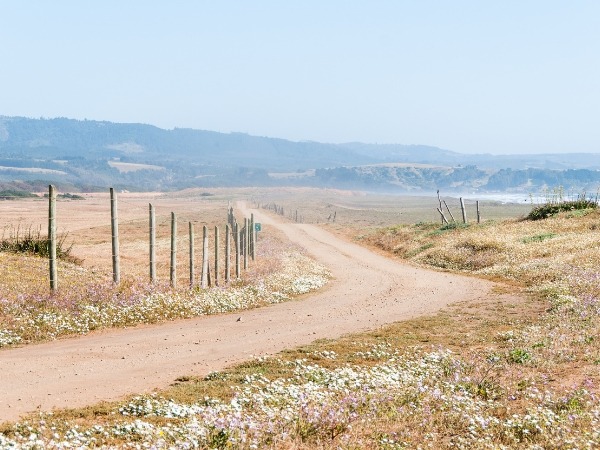
Is it safe to drive in Patagonia? Driving through Northern Patagonia is a core part of the adventure, but it requires the right expectations and preparation. This section explains what to expect on Patagonian roads and how to drive safely.
Road conditions in Northern Patagonia range from smooth asphalt to long stretches of ripio (gravel). Around Puerto Montt, Puerto Varas, and the Lake District, most main routes are paved and well-maintained. Highways connecting major towns and ferry ports are generally easy to drive.
Once you head south onto the Carretera Austral, conditions change. While large portions have been paved in recent years, unsealed sections remain common, especially on side roads and beyond populated areas. Gravel roads can be dusty, uneven, and slow, with washboard surfaces and loose stones.
A frequent concern for visitors is whether it is safe to drive in Patagonia. In general, it is considered very safe. Traffic levels are low, drivers are calm, and road rules are usually respected. Collisions with animals are one of the most common hazards. For this reason, night driving outside towns is strongly discouraged.
Outside larger towns, petrol stations are infrequent and sometimes unreliable. Around Puerto Montt and on Chiloé Island, fuel is easy to find, but along the Carretera Austral, stations are available only in certain towns, often separated by long stretches. Some small settlements may have no fuel at all or rely on limited supplies.
Patagonian weather is unpredictable and can affect driving conditions. Rain is frequent, especially in the Los Lagos and Aysén regions, making gravel roads muddy and slippery. After heavy rain, potholes deepen, and minor landslides are possible. Strong winds in open areas and near the coast can push vehicles sideways. In winter, snow and ice may affect mountain passes. Mobile signal is limited, and online maps can suggest poor shortcuts. Download offline maps, and bring a paper road map.
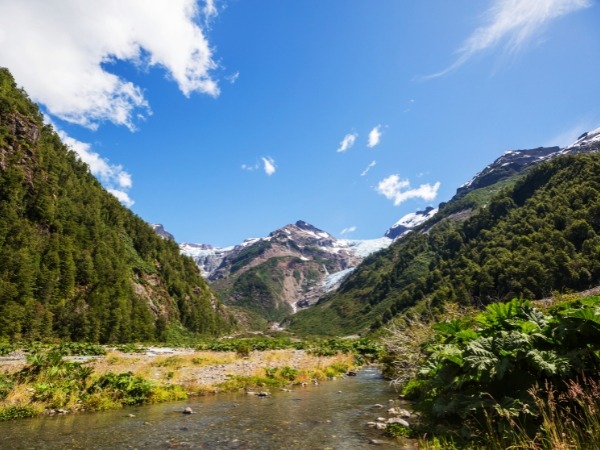
Northern Patagonia offers a wealth of destinations easily reached by car from Puerto Montt. In this section, we highlight several road trip routes and must-see spots.
Just 20 kilometres north of Puerto Montt, Puerto Varas is a picturesque town on the shores of Lago Llanquihue and an ideal first stop on a Patagonia road trip. Known as the City of Roses, Puerto Varas offers classic views of Osorno and Calbuco volcanoes rising across the lake. The town’s German heritage is visible in its wooden architecture and local cafés serving traditional kuchen.
With a rental car, you can enjoy relaxed lakeside drives, stopping frequently for photos as volcanoes reflect in the water. Just east of town lies Vicente Pérez Rosales National Park, where dense forests meet striking blue lakes.
A standout drive is the Lake Llanquihue circuit, a loop of about 186 kilometres that showcases the region’s beauty. Roughly half the route is paved, with the rest on well-maintained gravel. Along the way, you pass charming towns such as Frutillar, known for its alpine architecture and music culture, and Puerto Octay, which offers excellent viewpoints.
Detours lead to small beaches, historic chapels, and farms selling local cheese and jams, creating a classic Lake District atmosphere of green pastures, blue water, and snow-capped peaks.
Driving up Osorno Volcano is another highlight. From Ruta 225, a paved road climbs the volcano’s flank with dramatic switchbacks and expanding views over Lago Llanquihue. The road ends at the mountain centre, where you can enjoy a warm drink, short walks, or a scenic chairlift ride.
Nearby, the Petrohué Waterfalls offer an easy, memorable stop. A short walk from the car park leads to viewing platforms above emerald water rushing through volcanic rock. Continue onward to Todos Los Santos Lake, framed by multiple volcanoes and ideal for a quiet picnic before returning to Puerto Varas.
The Carretera Austral is often considered the ultimate Patagonia road trip, and its northern section begins in the Puerto Montt region. Driving this highway immerses you in fjords, steep valleys, and dense temperate rainforest. One of the first major stops is Hornopirén, about 110 kilometres south of Puerto Montt. As you reach it, the road winds along the Reloncaví Estuary before ending at the sea.
Beyond Hornopirén, the Carretera Austral continues via a longer ferry to Caleta Gonzalo, entering Pumalín Douglas Tompkins National Park. This vast protected area is one of northern Patagonia’s highlights, featuring lush rainforest, waterfalls, and ancient alerce trees. The highway runs directly through the park, making it unusually accessible. Several well-marked trailheads are right off the road, and you can stop for short hikes.
Further south is Chaitén, a small coastal town that functions as a key service hub. Rebuilt after a volcanic eruption in 2008, it offers fuel, supplies, and accommodation. From here, travellers can explore nearby black sand beaches, lakes, or tackle the challenging Chaitén Volcano hike for sweeping views of the region.
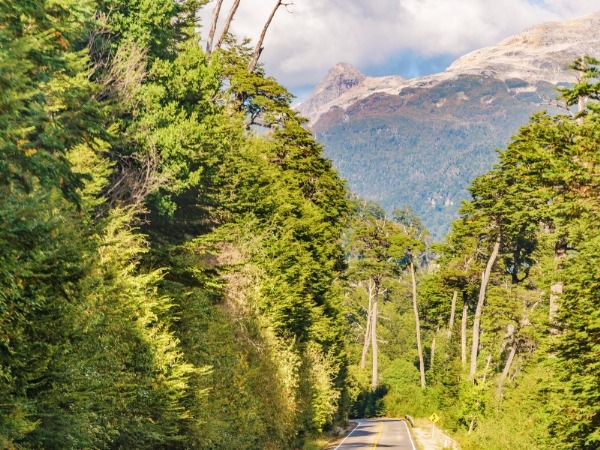
If you have extra time and a sense of adventure, you can extend your road trip south from Puerto Montt into Patagonia’s Aysén region. One of the standout destinations is Queulat National Park, reached via the Carretera Austral. Although it looks close on a map, the journey is slow and scenic, often spread over several days.
Queulat is famous for the Ventisquero Colgante, or Hanging Glacier, which clings to a cliff and regularly releases ice that crashes into a roaring waterfall below. The approach involves gravel roads with rough sections, so a well-maintained vehicle with good clearance is recommended.
From the park entrance near Puyuhuapi or Puerto Cisnes, a forest trail leads through lush, moss-covered woodland to viewpoints of the glacier. The setting feels almost magical, with dense greenery, waterfalls, and the sound of ice calving echoing through the valley.
For travellers going further, Coyhaique is the gateway to deeper Patagonia. Reaching it from Puerto Montt is a long journey along the full length of the Carretera Austral. It typically takes over a week or more. Coyhaique offers a welcome contrast to remote stretches, with full services, accommodation, and access to iconic sights such as Lago General Carrera, the Marble Caves, and routes into Argentina.
Driving from Puerto Montt is the best way to experience Patagonia. You can travel beyond the usual tourist stops and experience the region’s variety, from calm lakes to rugged mountain roads. Before setting out, plan a basic route, book your car rental or ferry crossings, and make sure you’re familiar with Chile’s driving rules.
Rent a car in Puerto Montt with Final Rentals to experience the magic of Patagonia from behind the wheel. With Final Rentals, booking a car online is fast and simple. Select El Tepual International Airport as your pickup location, enter your travel dates, and choose a vehicle for your trip. Book and manage your car rental at any time. Download the Final Rentals app on Google Play and the App Store.