Finalrentals Blog


Published in Explore Category.
If you’re dreaming of driving through Patagonia’s dramatic landscapes, renting a car is the best way to explore Reloncaví Sound. This fjord-filled corner of southern Chile offers scenic fjords, views of snow-capped volcanoes, and lush rainforest without the crowds.
You’ll drive past tranquil bays and towering peaks, breathe some of the world’s freshest air, and discover villages where time slows down. It’s perfect for nature lovers, photographers, and travellers looking for an authentic Patagonian journey. In this guide, we’ll cover everything you need to know, from when to visit and driving tips to the best viewpoints in Reloncaví Sound.
Where Is Reloncaví Sound?
Reloncaví Sound (Seno de Reloncaví) is located in southern Chile’s Los Lagos Region, right at the northern edge of Chilean Patagonia. It is Patagonia’s grand front door where Chile’s great Central Valley meets the Pacific Ocean. Reloncaví Sound is a broad, fjord-like bay south of the port city of Puerto Montt. Puerto Montt is on its northern shore, making it the natural gateway for road trips heading south.
Geographically, Reloncaví Sound is part of Chile’s intricate maze of fjords in Chile. It widens out into a sound (or large bay) before narrowing again into the Reloncaví Estuary (Estuario de Reloncaví). The estuary is sometimes called Patagonia’s northernmost fjord because it’s the first major fjord as you head south.
Mountains of the Andes range rise from the water’s edge, and the Yate Volcano dominates the skyline, towering above the fjord’s waters. Several national parks and reserves surround the area. The Alerce Andino National Park is famous for its 3,000-year-old trees, while Vicente Pérez Rosales National Park is near the Petrohué River.
Best Time to Visit Reloncaví Sound
You can visit Reloncaví Sound year-round, but the weather and experience change with the seasons. This is a temperate rainforest region, so you’ll want to plan your trip around the weather for the most enjoyable trip.
Summer
Summer is the best time to visit. Reloncaví Sound. From December to February, days are long and mild, with temperatures often reaching 18 to 20 °C on sunny afternoons. The weather is at its warmest and driest, making it ideal for outdoor activities like hiking and kayaking. This is peak season for Chilean holidays, so you’ll encounter more travellers on the Carretera Austral (the highway along the sound) and in nearby national parks.
Shoulder Seasons
Spring (September to November) and fall (March to May) are shoulder seasons to explore Reloncaví Sound. In spring, the region comes alive with blooming wildflowers and snow still dusting the highest peaks. Temperatures begin to warm, with highs around 12 to 16 °C in October, and the winter rains ease up. By November, the days are pleasant for hiking and driving, and you’ll have far fewer crowds than in summer. Fall brings crisp air, changing foliage, and golden light. The forests take on shades of red and orange by April.
Winter
Winter in the Reloncaví Sound area from June to August is the rainy season and the coldest time of year. Expect frequent rainfall, overcast skies, and occasional snow at higher elevations. Daytime temperatures often hover around 5 to 10 °C. Nights can be chilly, sometimes near freezing. This season sees the fewest visitors, which could be a plus if you crave solitude and don’t mind the elements.
How to Plan a Road Trip to Reloncaví Sound
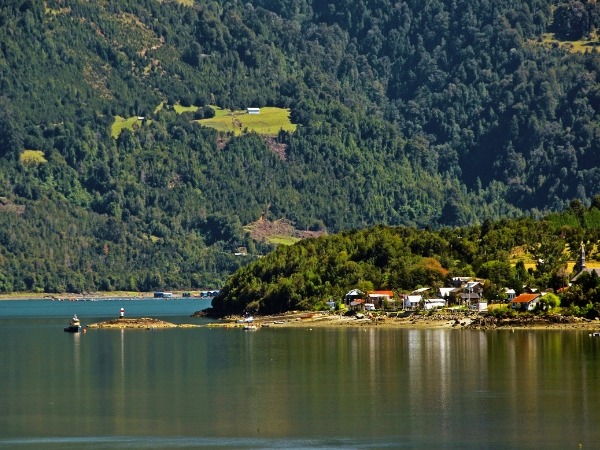
Before hitting the road to Reloncaví Sound, you’ll need a reliable vehicle, a sense of the region’s layout, and some local knowledge about driving in Chilean Patagonia. Here’s how to prepare for an epic and safe journey.
Best Starting Points
Most travellers begin their Reloncaví Sound road trip in Puerto Montt, the largest city in the area and home to the El Tepual International Airport. Puerto Montt has supermarkets, petrol stations, ATMs, and any last-minute gear you might need. From the city, you can start driving south and be alongside the water in just minutes.
An alternative nearby base is Puerto Varas, a smaller town about 20 minutes north of Puerto Montt, on the shores of Lake Llanquihue. Puerto Varas offers plenty of hotels, cafés, and lake views. From here, you can reach Reloncaví Sound via scenic backroads, for example, by driving through Ensenada and continuing south toward Ralún.
Renting a Car in Southern Chile
Having your own set of wheels is by far the best way to explore Reloncaví Sound. You’ll want to secure long term car rental in Chile with full insurance if you plan to do an extended Patagonia trip. In Puerto Montt or Puerto Varas, you’ll find major rental agencies as well as local companies.
The recommended vehicles are ideally a 4x4 or SUV, especially if you plan to venture onto gravel side roads or into mountain areas. A high-clearance vehicle handles potholes and uneven surfaces more easily. Standard sedans can handle the main routes in summer, but in wet seasons or on detours, an SUV offers extra confidence.
Be sure to clarify insurance details. Get full insurance coverage, including a collision damage waiver, because rural Chilean roads are rough. Loose gravelcan ding the paint or a stray branch can scratch the side. Some rental companies have restrictions about unpaved roads, so confirm that driving on gravel roads won’t void your coverage.
Road Conditions and Driving Tips
Driving around Reloncaví Sound is a big part of the adventure, combining easy highways with scenic rural roads. The main route is Chile’s Route 7 (Carretera Austral), which begins in Puerto Montt and offers smooth, paved driving along the water for much of the way.
As you explore side roads or smaller villages, you’ll encounter ripio (gravel) sections. Curves are frequent, especially along the coast and in mountain areas, so take blind bends cautiously and be prepared to yield on narrow stretches. Cell service can be limited, so download offline maps in advance.
The Ultimate Reloncaví Sound Road Trip Route
Reloncaví Sound’s road trip route is all about hugging the fjords and soaking up mountain vistas. Below are classic routes with optional side trips, highlighting what to see and do at each stage.
1. Puerto Montt to Cochamó Region
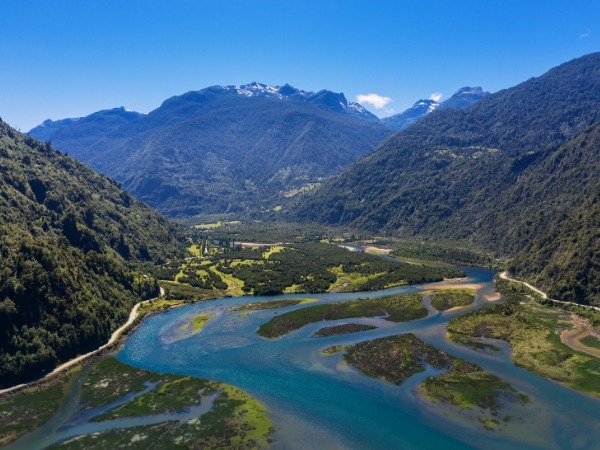
Leaving Puerto Montt, you’ll begin driving south along Route 7, with Reloncaví Sound to your right. The road threads through small seaside hamlets like Quillaipe, Metri, and Lenca, where colorful wooden houses cling to the shore and fishing boats bob in the water.
Keep an eye out for roadside smokehouses selling seafood empanadas or smoked salmon. As you continue, the views widen dramatically. Across the sound, you may spot the islands of the Calbuco Archipelago, which form a natural barrier between the sound and the open Pacific Ocean.
On clear days, volcanic silhouettes dominate the horizon. Looking back north, Calbuco Volcano may appear, and sometimes Osorno Volcano peeks out in the distance. Ahead, the sharp, triangular cone of Yate Volcano rises to the east, which you will constantly see as you drive.
Around 45 kilometres south of Puerto Montt, you’ll reach Caleta La Arena, where a short ferry crosses the mouth of the sound. If you’re focusing on exploring the eastern shore first, you can skip the ferry and continue inland along the fjord. From here, the route transitions to the local V-69 road toward Cochamó, hugging the narrowing Reloncaví Estuary. This stretch is especially scenic, with dense green forests on one side and glassy fjord waters on the other.
Several pull-offs offer photo opportunities, including a spot near the small village of Yate, where the volcano's reflections often shimmer on calm days. This area is widely considered one of the best viewpoints in Reloncaví Sound. As you approach Cochamó, about 2 hours from Puerto Montt without stops, the landscape feels increasingly remote.
2. Cochamó Valley Detour (Optional)
If time allows, a detour into the Cochamó Valley is worth considering. This is not a valley you simply drive through. It’s accessed on foot or horseback. From Cochamó town, a short gravel road (V-710) leads to the trailhead near Paso El León or La Junta, where you park and continue on the trail. The hike follows the Cochamó River through ancient alerce forests, wooden bridges, and mossy terrain.
After several hours of hiking, you reach La Junta, a wide meadow framed by towering granite walls. These dramatic cliffs are the reason the area is often called the “Chilean Yosemite,” and they draw rock climbers from around the world. Day hikers can continue to Mirador, a 4 to 5-hour round-trip hike that rewards you with views of the valley and glimpses of the Reloncaví fjord in the distance.
3. Ralún and Puelo River Area
Continuing along the main route from Cochamó, the road turns inland as it follows the Reloncaví Estuary all the way to its head. This stretch leads you toward Ralún, a small settlement set where freshwater rivers meet the fjord. Here, the Petrohué River flows in from Todos los Santos Lake in the Andes. Nearby, the Puelo River also reaches the sea. The meeting of rivers and saltwater creates a striking landscape of wetlands and marshes, often dotted with birds such as herons and black-necked swans.
Ralún also marks an important crossroads. From here, one route heads north toward Ensenada and the Lake District. This can be a loop back to Puerto Varas, while the road south-west continues deeper into Patagonia along the Carretera Austral. Pushing onward brings you into the Puelo River area, where the river widens into a delta near the fjord. A short drive inland leads to the village of Río Puelo, known for fishing and as a gateway to remote valleys and Tagua Tagua Lake.
Wildlife watching is excellent here. Dolphins are occasionally spotted where river and sea meet, and birdlife is abundant, from kingfishers to cormorants. Staying overnight in a local guesthouse rewards you with deep quiet and, on clear nights, views of the Milky Way before continuing south toward the next ferry crossing.
4. Ferry Crossings Along Reloncaví Sound
Road tripping in this part of Chile sometimes stop and continue across the water. Along Reloncaví Sound, the Carretera Austral is famously interrupted by the fjord itself, requiring a ferry crossing. If you’ve driven from Puerto Montt along the eastern shore, you eventually reach the end of the road near the Puelo area.
To continue south toward Hornopirén and deeper Patagonia, you loop back to the ferry terminal at Caleta Puelche. This short crossing connects to Caleta La Arena, saving hours of driving that simply isn’t possible because steep mountains block any land route.
The La Arena–Puelche ferry takes about 30 minutes. You drive your car onboard, park, and step outside to enjoy sweeping views of emerald water, forested slopes, and, on clear days, Yate Volcano rising above the fjord. Sea lions often surface near the ramp, while gulls and cormorants glide overhead, adding to the sense of adventure.
The ferry runs frequently, especially in summer, every 30 to 60 minutes. No advance booking is needed. Crossings operate on a first-come, first-served basis. Arriving about 30 minutes early is usually enough, though queues can grow during peak season. Treat the ferry as a planned break to stretch your legs, take photos, and chat with locals.
Top Things to Do Around Reloncaví Sound
Reloncaví Sound isn’t just for driving through. Whether you crave active adventures or simply want to soak in natural beauty, there’s no shortage of things to do in Reloncaví Sound.
Hiking and Nature Walks
The Reloncaví area is a hiker’s delight, offering trails that range from gentle forest walks to demanding alpine routes. A great starting point is Alerce Andino National Park, which borders the sound.
From the Lenca sector (about an hour from Puerto Montt), you can follow well-marked trails through ancient rainforest to see massive alerce trees, some over 2,000 years old. Short walks like the 1-kilometre trail to Chaiquenes Lagoon are perfect for outings, while longer paths reward you with birdsong and deep forest scenery.
For coastal views, a short trail near Caleta La Arena leads to a waterfall and small beach, ideal if you’re waiting for the ferry. More ambitious hikers can explore the Cochamó Valley, where guided treks to peaks like Arcoiris or Trinidad offer dramatic fjord and mountain panoramas. Even simple walks around Ralún Bay or Cochamó town are great, especially at sunset.
Kayaking and Water Activities
There’s no better way to experience a fjord than to be on it. Kayaking on Reloncaví Sound is one of the best activities in the region. The calm, sheltered waters make it ideal even for beginners. Several tour operators, often based in Puerto Varas or Cochamó, run guided excursions.
A classic route paddles from Ralún to Cochamó (about 18 km), with the current helping you along. Expect lush green shores, waterfalls cascading from cliffs, and constant views of Yate Volcano. Guides often point out sea lions, dolphins, steamer ducks, and cormorants. Many tours include a stop at a remote beach or local farm for lunch.
Beyond kayaking, boat trips and fishing excursions are also popular. From Cochamó or Puelo, local boatmen can take you to places like Termas de Sotomó or up the Puelo River delta for trout fishing. Near Puerto Montt, a short boat ride to Tenglo Island offers panoramic views of the city and the sound. While the water is cold for swimming, dawn stand-up paddleboarding on glassy fjord waters is an option. Always wear a life jacket and follow local guidance, as light tidal currents and winds can occur.
Photography and Scenic Stops
The best light in Reloncaví Sound comes early in the morning and late in the afternoon, when mist, soft sun, and calm water create stunning reflections. Sunrise in Ralún often brings ethereal fog over the fjord, while late-day light near Cochamó produces dramatic rays and pastel skies. Keep your camera ready for fleeting moments like rainbows after showers or condors gliding above the Andes.
Must-capture scenes include Volcán Yate towering behind Cochamó’s church, panoramic bends along the Reloncaví Estuary, and quiet fishing coves with wooden boats. At night, minimal light pollution allows for Milky Way photography near the fjord on clear, moonless evenings. Don’t overlook mossy trunks, red fuchsia flowers, and textured fungi, details that can add depth to close-up shots.
Takeaway
We have seen that Reloncaví Sound is far more than a mere stopover. This corner of Chile offers beauty that is grand in its fjords and volcanoes and intimate where you’ll find solitude on a quiet trail. A road trip here is about embracing slow, scenic travel. Instead of rushing to the next tourist hotspot, you’ll be winding along gravel roads, pulling aside for wandering sheep, and chatting with locals who might point you to a hidden waterfall or their favorite viewpoint.
Rent a car in Puerto Montt with Final Rentals to start planning your Chilean adventure. With Final Rentals, booking a car online is fast and simple. Select El Tepual International Airport as your pickup location, enter your travel dates, and choose a vehicle for your trip. Book and manage your car rental at any time. Download the Final Rentals app on Google Play and the App Store.